Consider the new medium, not just the nice message. (0)
Thursday, November 16, 2006 by , under adkrispies, advertising, bos, commercials, editorial, fido, marketing, new media, trends, tv spot, web 2.0
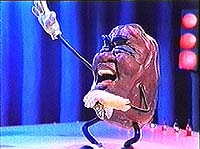
Down below you will see two delicious TV spots in the christmas tale spirit for Fido, a cellphone service here in Canada. Of course with no supers and the awesome production values, there's no way anyone could ever remember what the commercial was exactly advertising. But heeeeey Fido - who cares about the message if you're lookin' good! This is not advertising, folks, this is Hollywood. Here, brands are like cheap starlettes: if you can't say anything brilliant, better make sure you look real good.
Well this morning, this got me started. Are you ready for a very interesting marketing tale? Here we go. From a media point of view, the measure of advertising efficiency with classic notions like reach and frequency is a reality that I believe is nowadays incomplete. "But frequent, mass exposure of a cool TV ad is good for the brand!" Sure, but how effective is it for the product? And at what price? Does the mere spiritual notion of brand power really have any value anymore? How powerful is the message anymore, compared to the medium? In the current 21st century media context, in addition to reach and frequency of a broadcasted TV advertisement, you should also be able to measure consumer-to-consumer interaction. Your TV message should indeed not be just a message, an end in itself: it should become a medium: a tradable advertisting product. Conversation currency. Something people can share, like here on blogs, by emails, newsletters, anything to get the ad moving from person to person, and generating conversation, or exchange. Simple exposure is nothing. Talked about exposure, is everything.
The mere fact that I'm posting these Fido ads on AdKrispies is a better thing for the Fido brand, than just me, looking at them on TV. Because I'm talking about them with you, and generating a broader exchange about Fido. Because I generate viewership of the brand's ad, from a free medium. And because I just generate interest about the brand! So why not make a good communication strategy a better (and cheaper) one, by concentrating media efforts on the internet, this wonderful exchange tool? Are we not there yet? Do media strategists think nothing is built in order to effectively reach a precise target audience, in a precise country, for TV ads put on the internet? And maybe spark more effective results than their estimated GRPs which cost millions to buy, for half the exposure the internet can get? Hey, if your ad is real creative and looks good, it will be seen. If you can find a way to help people share it, it will be shared. If you think it's not that interesting and people won't really share it, well from the start, why pay thousands to even have an ad made?
Which brings us back to what sparked my plug, the "hollywood star" comparison: So you're a brand and you don't have anything brilliant to say. You then make sure you look real good.
But unlike a hollywood star, you should also make sure everybody can come to you, take you out and get to know you personally.
Hey, I'm just thinking out loud.
These short, entertaining movies were thought of by BOS advertising here in Montreal, and produced by the most excellent Jet Films production house. French version available only. So sorry for the rest of you.
|